Sports Therapy in St. Catharines
St. Catharines produces a specific mix of athletes and a specific mix of injuries with it. Treating an athlete well means knowing the sport as well as the tissue.
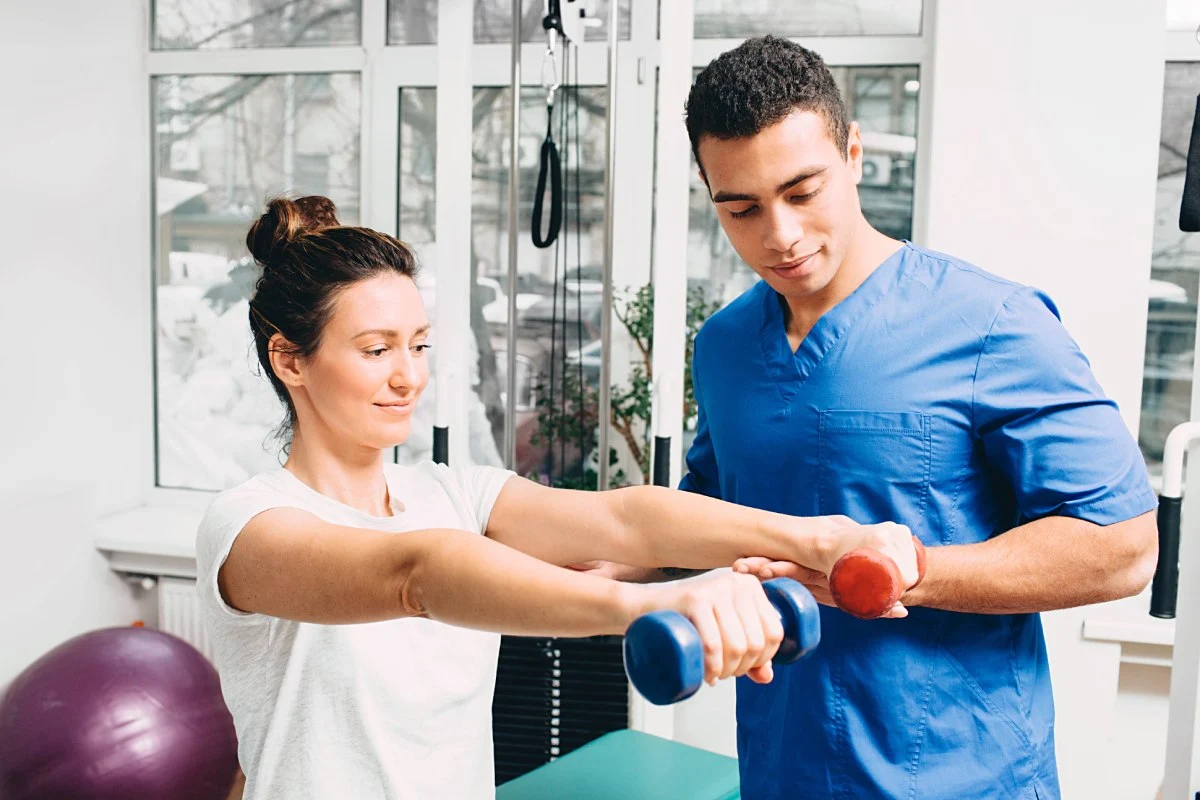
St. Catharines produces a specific mix of athletes and a specific mix of injuries with it.
Martindale Pond has been drawing rowers here since the Royal Canadian Henley Regatta began, and every summer the CSSRA championships bring hundreds more high school athletes to Port Dalhousie. Rowers arrive with rib stress injuries, lower back pain from repeated lumbar flexion under load, and forearm tenosynovitis. Brock Badgers and Niagara's minor hockey system send us groin strains, hip impingement and shoulder separations. Runners on the Merritt Trail and the Waterfront Trail bring Achilles problems, shin splints and IT band pain, most of it from adding distance too fast in April.
Treating an athlete well means knowing the sport as well as the tissue. A rower with low back pain who gets told to avoid flexion has been given useless advice, because flexion is the sport. The work is finding out why the tissue could not tolerate the load and fixing that instead.
Sports Injuries Our Sports Injury Clinic in St. Catharines Treats
Acute injuries: ankle sprains, hamstring and quadriceps strains, groin strains, ACL and MCL injuries, meniscus tears, shoulder dislocations and separations, muscle tears, fractures once cleared for rehab.
Overuse injuries: tendinopathies (Achilles, patellar, rotator cuff, hip), shin splints, IT band syndrome, runner's knee, tennis and golfer's elbow, stress reactions, bursitis.
Sport-specific patterns we see a lot of in Niagara:
| Sport | What we see most |
|---|---|
| Rowing | Rib stress fractures, lumbar disc irritation, forearm intersection syndrome, thoracic outlet symptoms |
| Hockey | Adductor and hip flexor strains, femoroacetabular impingement, AC joint injuries, low back pain |
| Running | Achilles tendinopathy, medial tibial stress syndrome, plantar fasciitis, patellofemoral pain |
| Soccer | Hamstring strains, ankle sprains, groin problems, ACL injuries |
| Racquet sports | Lateral epicondylitis, rotator cuff issues, calf strains |
| Weight training | Shoulder impingement, lower back strain, wrist pain, elbow tendinopathy |
What Makes Sports Physiotherapy Different
We measure, and we keep measuring. Strength testing, hop testing, single leg control, range of motion. Numbers at week one, week four and week eight. "Feeling better" is not a discharge criterion for an athlete.
We keep you training. Complete rest is almost never the answer. If your knee will not tolerate running, we keep your aerobic base with cycling or pool work while we fix the knee. Athletes who detrain for eight weeks come back into a worse injury risk than they left with.
We rehabilitate the reason behind the injury. A recurring hamstring strain is usually a strength deficit at long muscle lengths, or a training load that spiked, or both. Treating the sore hamstring and sending you back into the same programme means we will see you again in six weeks.
We test before we clear you. Detailed below, and it is the part most clinics skip entirely.
Return-to-Sport Testing
Going back to sport because six weeks have elapsed is how people re-injure themselves. Time-based clearance ignores whether the tissue and the athlete are actually ready.
We use objective criteria before clearing an athlete:
- Limb symmetry index above 90% on strength testing, comparing injured to uninjured side
- Hop test battery (single hop, triple hop, crossover hop, timed hop) within 90% symmetry
- Full pain-free range of motion
- Sport-specific movement quality under fatigue, because good mechanics on a fresh leg tell you very little
- Psychological readiness, which is measurable and matters more than most people think. An athlete who does not trust the knee will move to protect it and injure something else.
For ACL reconstructions specifically, the evidence on returning too early is stark. Each month of delayed return up to around nine months substantially reduces re-injury risk. We will tell you that even when you do not want to hear it.
Injury Prevention and Performance Screening
Prevention work is less exciting than rehab and considerably cheaper. A pre-season movement screen identifies the asymmetries and strength deficits that predict injury, and gives you a targeted programme to close them before the season starts.
This is worth doing if you have had two or more injuries in the same area, you are returning to sport after a long break, you are increasing training volume significantly, or you are a masters athlete who wants to keep competing.
Who We Build Programmes For
Sports physiotherapy in St. Catharines covers a wider range of people than the phrase suggests. Athletic therapy in St. Catharines and sports rehab in Niagara are terms patients use interchangeably, and what they usually mean is: someone who understands my sport.
Physiotherapy for runners in St. Catharines is our highest-volume group, spiking every April on the Waterfront and Merritt Trails. Rowing injury physio in St. Catharines runs on the Henley calendar. Hockey injury physiotherapy in St. Catharines fills the winter. Sports injury rehabilitation in St. Catharines for everyone else runs year round.
Return to sport testing physiotherapy is the part most clinics skip. Being pain-free is not the same as being ready, and we test rather than guess. Many of these presentations overlap with the knee pain and foot and ankle pain conditions we treat, and our general physiotherapy and shockwave therapy services support many sports injuries.
FAQs
Book with our sports injury clinic in St. Catharines
From acute injuries to return-to-sport testing, we treat the athlete and the sport, not just the sore tissue.
Book Your Appointment